Which is better for trauma, in-person or online therapy? Neither is better for everyone. Research suggests both can help many people, and the right choice usually comes down to how safe and focused you feel, what your life allows, and what kind of treatment you need. (Source: VA National Center for PTSD.)
If you are weighing in-person vs online therapy for trauma, this guide walks through the real differences, including when meeting in person may fit better. It is meant to help you ask good questions, not to decide for you.
What is the main difference between in-person and online therapy?
The main difference is where you are, not what the work is. In both formats you meet with a licensed clinician for individual counseling, usually about once a week, to talk, build skills and work toward goals you set together.
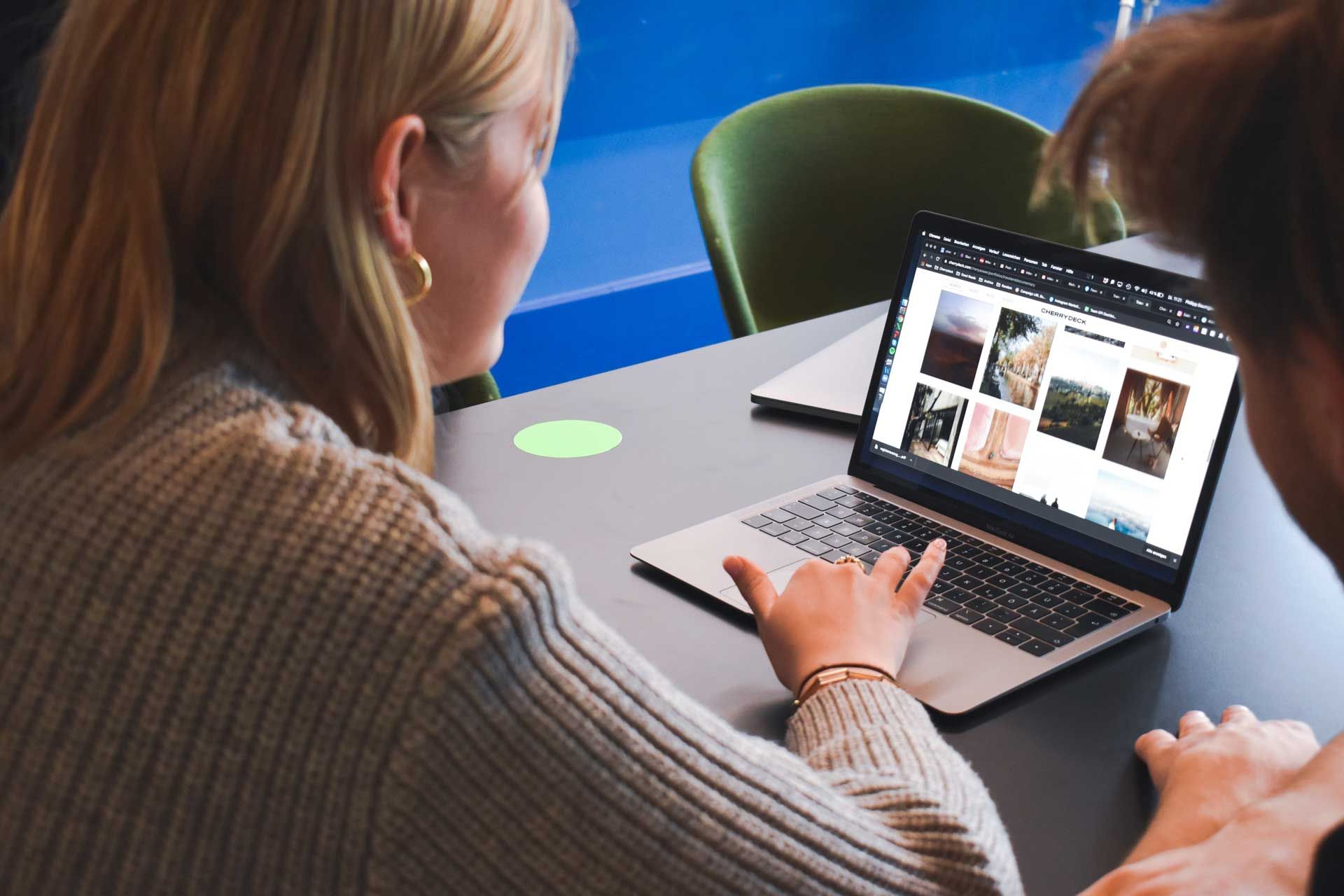
With in-person therapy, you travel to an office and share a room with your clinician. With online therapy, also called telehealth, you meet by video from a place you choose. At Family Trauma Treatment Center, sessions are usually 45 to 55 minutes and usually weekly. We offer in-person care at our Las Vegas office, and telehealth appointments for clients who prefer or need to meet virtually.
Here is a quick comparison:
| In-person | Online (telehealth) | |
|---|---|---|
| Where | At the office | From home or another private space |
| Travel | Yes | None |
| Privacy | Provided by the office | Depends on your space and connection |
| Body language | Fully visible | Limited to what the camera shows |
| Equipment-based services | Available at the office | Generally not possible remotely |
| Best when | You want a separate, contained space | Distance, schedule or mobility is a barrier |
Does online therapy work as well as in-person care?
For many people it can, though the evidence depends on the method, the condition and the person. Studies of video-based therapy for trauma-related symptoms have often found results comparable to in-person care. (Source: VA National Center for PTSD.)
That does not mean it fits everyone. Some people find it easier to open up from the comfort of home. Others find that a screen makes it harder to settle, or that distractions at home pull them out of the work. Both experiences are common and neither is a failure on your part.
One honest limit: research on therapy formats cannot tell you how you personally will respond. The best test is often a few sessions and an honest check-in with your clinician about how it feels.
When might in-person therapy be the better fit?
In-person therapy may suit you better when you need a space that feels separate from everyday life, or when your treatment relies on equipment at the office.
Consider meeting in person if:
- Home does not feel private or safe. Trauma work can bring up strong feelings. A shared home, thin walls or an unsafe household can make it hard to speak openly.
- You get easily pulled out of focus. Notifications, family, pets and chores are hard to ignore at home.
- You want a clear boundary. Some people like leaving the heavy conversation behind when they walk out of the office.
- Your treatment uses devices. NeuroStar TMS, Alpha-Stim, neurofeedback and virtual reality exposure therapy happen at the office.
- Technology is a barrier. Unreliable internet or an unfamiliar device can add stress to a session.
When might online therapy be the better fit?
Online therapy may suit you better when getting to an office is the biggest obstacle, or when being at home helps you feel calm enough to talk.
Consider telehealth if:
- Travel is difficult. Long drives, limited transportation, a tight workday or mobility challenges can make weekly visits hard to keep up.
- Childcare or caregiving gets in the way. A video session may fit around responsibilities that an office visit does not.
- Leaving home feels overwhelming right now. For some people, starting from a familiar place makes it possible to begin at all.
- You have a private space you trust. A closed door, headphones and a reliable connection make a real difference.
Telehealth is not meant for emergencies. If you are in crisis, call or text 988, or call 911.
How do privacy and comfort compare for trauma?
Privacy is the biggest practical question for most people, and it works differently in each format.
In person, the office provides the confidentiality. You do not have to think about who might overhear. Online, you share that responsibility: a private room, a secure connection and a device only you can access all matter.
Comfort is more personal. If you are someone who feels exposed in a clinical office, a video call from your own couch may lower the pressure. If you tend to shut down at home, the shift of going somewhere to do the work can help you stay present. Notice which one sounds more like you, and tell your clinician.
What does this look like at FTTC?
Family Trauma Treatment Center is an outpatient trauma and mental health practice at 3909 South Maryland Parkway, Suite 405, Las Vegas, NV 89119. Our primary format is in-person care, and in-person appointments for all of our treatment services are available at the office.
We also offer telehealth for clients who prefer or need to meet virtually, and we will tell you whether it is a good fit for your specific treatment. We serve clients across the Las Vegas Valley, and you can see how we work with each area on our locations page.
Our core talk-based service is individual counseling: weekly one-on-one sessions with a licensed, trauma-informed clinician, built around a plan you set together and paced to you. Your first session is a conversation, not an evaluation, with no pressure to share more than you are ready to.
How can you decide between the two?
Start with a few plain questions, then test your answer rather than guessing.
- Where could I talk most freely? Picture yourself saying something hard. Which space feels safer?
- What gets in the way of showing up? Distance, time, energy and childcare all count.
- What does my treatment need? If it involves a device at the office, in-person is the path.
- What would I do if it was not working? Knowing you can change formats can take pressure off the first choice.
Then ask the office what is available for your situation and give it a few sessions. It is reasonable to adjust. If something feels wrong, say so, since your clinician can only adapt to what they know.
Request an appointment
Not sure which format is right for you? Call us at (702) 485-1313 or request an appointment and tell us what you are leaning toward. Our office can talk through in-person and telehealth options with you. Hours are Monday to Friday 8:00 am to 7:00 pm, Saturday 9:00 am to 3:00 pm, and Sunday by appointment only.
You can also read more about individual counseling in Las Vegas before you decide.
This article is educational and does not replace evaluation by a licensed professional.
In crisis? Call or text 988. Emergency: call 911.
This article is general information, not medical advice or a substitute for professional care, and it does not create a therapist-client relationship. If you are in crisis call 911, or call or text 988.
Is online therapy effective for PTSD?
Research suggests online therapy can help many people with trauma-related symptoms, and some studies find results similar to in-person care. (Source: VA National Center for PTSD.) How well it works depends on the person, the method and the clinician, so it is worth talking through your situation before choosing.
Can I switch between in-person and online sessions?
Often, yes. Many people start in one format and change as their needs, schedule or comfort level shift. Whether a switch is possible depends on the service and your clinician, so ask the office when you book. Telehealth at Family Trauma Treatment Center is offered when it is a good fit for your specific treatment.
Is online therapy private enough for trauma work?
It can be, if you have a private space where you will not be overheard or interrupted. Use a device and connection you trust, and wear headphones if others are nearby. If you cannot find a truly private spot at home, meeting in person at the office may feel safer and easier to focus in.
Do all treatments work online?
No. Some services depend on equipment or on being in the room. NeuroStar TMS, Alpha-Stim, neurofeedback and virtual reality exposure therapy, for example, use devices at the office. Talk-based care such as counseling may be easier to deliver by video. Contact our office to see what is possible for the service you need.
What if I am in crisis during an online session?
Telehealth is not for emergencies. If you are in crisis, call or text 988, or call 911 in an emergency. It also helps to tell your clinician where you will be during a session, so a plan can be agreed in advance. If safety is a concern, in-person care may be a better starting point.