Read and learn more
Trauma Recovery Blog
Stay informed with the latest articles, tips, and stories from our experts and community.

Survivor's Guilt After Trauma: Why It Happens and How to Cope
Survivor's guilt is a painful but common reaction after trauma or loss. Here is why it happens, how it can show up, and steps that can help you carry it.

Anger After Trauma: Why It Happens and How to Manage It
Anger is a common and understandable reaction to trauma. Here is why it happens, what helps in the moment, and when it may be time to talk to someone.

Emotional Numbness After Trauma: Why You Feel Disconnected and What Helps
Feeling flat or far away after trauma is a common way the mind protects itself. Here is why it happens, how it can show up, and how to start feeling again.

How Trauma Shows Up in the Body: Physical Symptoms to Know
Trauma does not only live in memory. It can show up as headaches, stomach problems, dizziness and sleep changes. Here is what to know and when to ask for help.

Acute, Chronic and Complex Trauma: What Is the Difference?
Trauma is often described as acute, chronic or complex. Here is what each term means, how they overlap, and when to talk to a therapist.

ACE Score: What It Means and What It Does Not Tell You
An ACE score counts types of difficult childhood experiences. Here is how it is counted, what it can show, and why a number is never the whole story.

Helping a Child Through Grief: A Guide for Parents in Las Vegas
Children grieve differently from adults, and it does not always look like sadness. Here is what grief can look like, what helps at home, and when to ask for support.

Trauma and Relationships: How Painful Experiences Can Affect Trust and Closeness
Painful experiences can change how safe, close and trusting we feel with other people. Here are common patterns, what can help, and when to reach out.

Cognitive Behavioral Therapy in Las Vegas: What CBT Is and How It Works
Cognitive behavioral therapy helps you notice unhelpful thoughts and practice new ways to respond. Here is what CBT involves and how to ask about it in Las Vegas.

Trauma Triggers: What They Are and How to Cope With Them
A sound, smell or date can bring a painful experience rushing back. Here is what trauma triggers are, how to cope in the moment, and when to reach out.

Does My Child Need Trauma Therapy? A Guide for Parents in Las Vegas
Children react to frightening or painful events in many ways. Here is how to tell what may be worth a conversation with a professional, and how to take the first step.

Trauma Recovery Counseling in Las Vegas: What It Is and How to Begin
Recovering from trauma is usually gradual, and counseling can give it structure. Here is what trauma recovery counseling involves and how to begin.
Grounding Techniques for Anxiety and Flashbacks: What to Try
Grounding can help you come back to the present when anxiety spikes or a flashback hits. Here are simple techniques to try and when to ask for more support.

How to Support a Loved One With PTSD: A Practical Guide for Families
Caring for someone with PTSD can feel confusing and lonely. Here is what tends to help, what to avoid, and how to look after yourself too.

Therapy Cost in Las Vegas and How Superbill Reimbursement Works
What does therapy cost in Las Vegas, and can you get some of it back from your insurer? Here is how session fees and superbill reimbursement work at FTTC.

Trauma After a Workplace Accident: Signs to Notice and When to Get Help
An accident at work can leave more than physical injuries. Here are common trauma reactions, signs they may need support, and how to take a first step.

Trauma-Informed Therapy in Las Vegas: What It Means and What to Expect
Trauma-informed therapy is care built around safety, choice and pace. Here is what the term means, what sessions can feel like, and how to find the right fit.

How Long Does Trauma Therapy Take? What to Expect and What Affects It
There is no single answer to how long trauma therapy takes, but there are clear things that shape it. Here is what to expect and how to plan.
Trauma and Sleep Problems: Why Insomnia Follows Trauma
Trouble sleeping is one of the most common ways trauma shows up. Here is why it happens, what can help, and when to reach out for support.

Benefits of Group Therapy for Trauma: Does It Help, and Is It Right for You?
Group therapy can offer connection and shared understanding that one-on-one sessions do not. Here is how groups compare with individual counseling, and how to decide what fits you.

In-Person vs Online Therapy for Trauma: How to Choose
Both in-person and online therapy can support people working through trauma. Here is how they differ, what to weigh, and when one format may suit you better than the other.

PTSD vs Anxiety: How to Tell the Difference and When to Get Help
PTSD and anxiety can feel alike, but they usually differ in where the fear comes from and what sets it off. Here is how to tell them apart, and when to ask a clinician.

How Childhood Trauma Affects Adults: Common Patterns and Ways to Get Support
Painful experiences in childhood can shape how adults feel, think, trust and take care of their bodies. Here is what that can look like, and how counseling can help.

Symptoms of Complex Trauma in Adults: Signs to Notice and Where to Start
Complex trauma can show up as trouble with emotions, trust, sleep and self-image. Here is a plain-language guide to common signs in adults and how support can begin.

Is Therapy Confidential in Nevada? What Stays Private and What Has Limits
Wondering whether what you say in therapy stays private? Here is how confidentiality generally works, where its limits are, and how to ask your therapist before you begin.
Depression Treatment Options in Las Vegas Beyond Medication
Medication is not the only route for depression. Here is how counseling, NeuroStar TMS and combined care compare, and how to start the conversation in Las Vegas.

Anxiety Therapy in Las Vegas: What It Involves and How to Start
If worry, tension or dread are taking up too much of your day, therapy can help. Here is what anxiety counseling in Las Vegas involves and how to take the first step.
How to Start Therapy for the First Time in Las Vegas
Starting therapy can feel like a big step, but the process is simpler than most people expect. Here is how to begin, what to ask, and what the first weeks usually look like.

What Is Neurofeedback and Does It Work? A Plain-Language Guide
Neurofeedback is a non-invasive, EEG-based way of practicing brain self-regulation. Here is how it works, what the evidence does and does not show, and how to decide if it is worth a conversation.

Neurofeedback for ADHD in Las Vegas: What to Know Before You Book
Neurofeedback is a drug-free, EEG-based approach some families explore for ADHD. Here is how it works, what is and is not known, and how to start a conversation with a clinic in Las Vegas.

VR Therapy for PTSD: How It Works and What to Expect
VR therapy for PTSD is a form of exposure therapy in which a clinician guides you through a virtual environment at a pace you can manage. Here is how it works and what to expect.
Fear of Flying Therapy in Las Vegas: Options for Overcoming Flight Anxiety
Fear of flying can shrink your world, and it deserves a real plan. Here is how exposure-based therapy and virtual reality may help, and how to ask about it in Las Vegas.

Virtual Reality Exposure Therapy in Las Vegas: What It Is and How to Start
Virtual reality exposure therapy lets you face a fear gradually, with a clinician beside you. Here is how it works, who may benefit, and how to get started in Las Vegas.

Does Alpha-Stim Work for Anxiety? How to Judge the Claims
Alpha-Stim is a handheld microcurrent device many people ask about for anxiety. Here is what our clinic says it is used for, how to judge any claims, and how to decide if it is worth a conversation.
Alpha-Stim for Anxiety and Insomnia: How It Works
Alpha-Stim is a handheld device that uses gentle microcurrent. Here is how it works, what using it involves, and what to ask before you decide.

How to Choose a Trauma Therapist in Las Vegas: Questions to Ask First
Choosing a trauma therapist is a personal decision. Here is what to look for, what to ask, and how to tell whether a clinician is the right fit for you.
What to Expect in Your First Trauma Therapy Session
Your first trauma therapy session is mostly a conversation about where you are now and what you want to change. Here is what happens, what you will be asked, and how to prepare.

How Long Does TMS Therapy Take? A Realistic Timeline
TMS asks for regular visits over several weeks. Here is how long a session lasts, what a typical course looks like, and how to plan your schedule around it.
PTSD Treatment in Las Vegas: Your Options and How to Choose
There is more than one way to treat PTSD. Here is a plain-language guide to the options at FTTC in Las Vegas, how they differ, and how to choose a place to start.
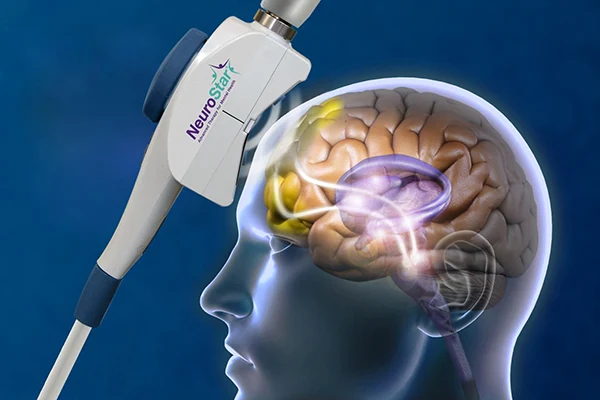
TMS Therapy Side Effects and Safety: What to Know First
Safety is one of the most common questions people ask before TMS. Here is what our site says about side effects, how screening works, and what to ask your clinician.
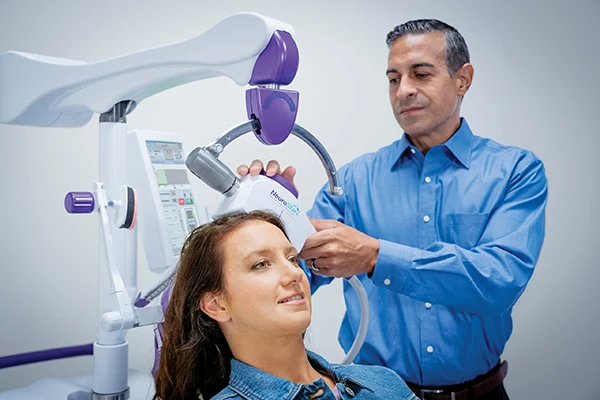
TMS vs Antidepressants: How the Two Options Compare
TMS and antidepressants work in different ways and ask different things of your day. Here is an honest comparison, and how to decide what to discuss with your clinician.
Treatment-Resistant Depression Options in Las Vegas
If depression has not eased with the care you have tried, you still have options. Here is a plain-language look at what to ask, what exists, and how to take a next step in Las Vegas.
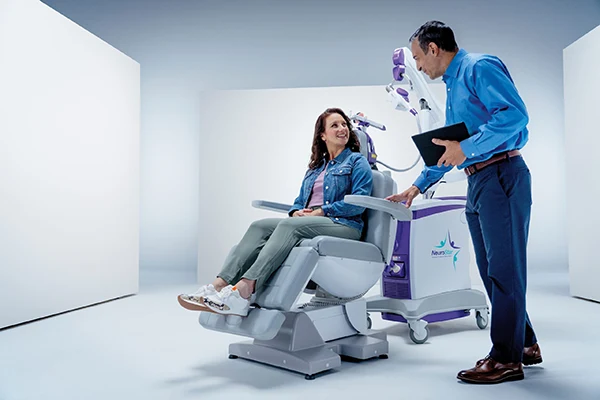
What to Expect During Your First TMS Session in Las Vegas
Your first TMS session is calmer than most people expect. Here is what happens in the room, how it can feel, and how to prepare before you book.

Who Qualifies for TMS Therapy in Las Vegas? A Plain-Language Guide
TMS is usually considered for adults whose depression hasn't improved enough with other care. Here is how eligibility is typically decided and what to expect from a consultation.
Short term and latent effects of childhood trauma
The National Child Traumatic Stress Network reports, children who have experienced complex trauma often have difficulty identifying, expressing, and managing emotions, and may have limited language for feeling states.
What are some effective coping mechanisms to help you if you have experienced trauma?
Experiencing trauma can be debilitating to one’s mental health. When processing trauma it is important to use healthy coping mechanisms, but finding healthy coping mechanisms is not always easy.
10 ways to help your child through a traumatic experience
Identify trauma triggers. Something you are doing or saying, or something harmless in your home, may be triggering your child without either of you knowing it.
21 physical, emotional & behavioral symptoms of childhood trauma
Traumatic reactions can show up in many ways and include a variety of responses medically, physically, emotionally, and behaviorally.
12 Different Types of Childhood Trauma
As a trauma specialist, I experienced several intensely threatened different types of childhood trauma around me. It may help you to understand about all the types of different trauma.
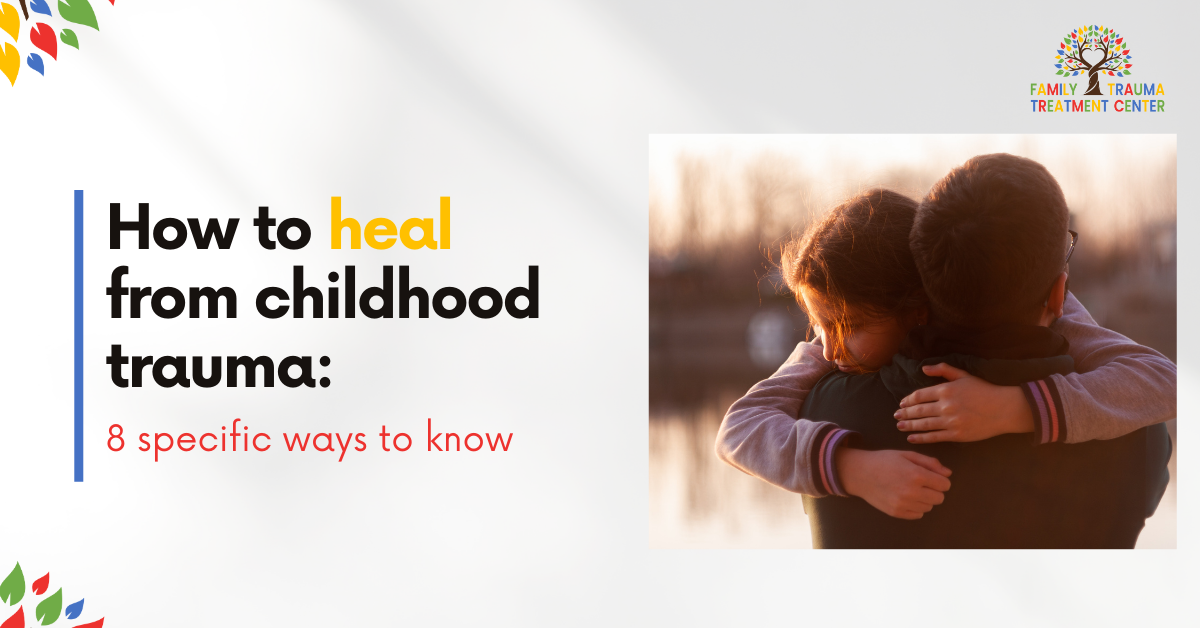
How to heal from childhood trauma: 8 specific ways to know
Without treatment, repeated childhood exposure to traumatic events can affect the brain and nervous system and increase health-risk behaviors (e.g., smoking, eating disorders, substance use, and high-risk activities).