Trauma After a Workplace Accident: Signs to Notice and When to Get Help
Written by Family Trauma Treatment Center
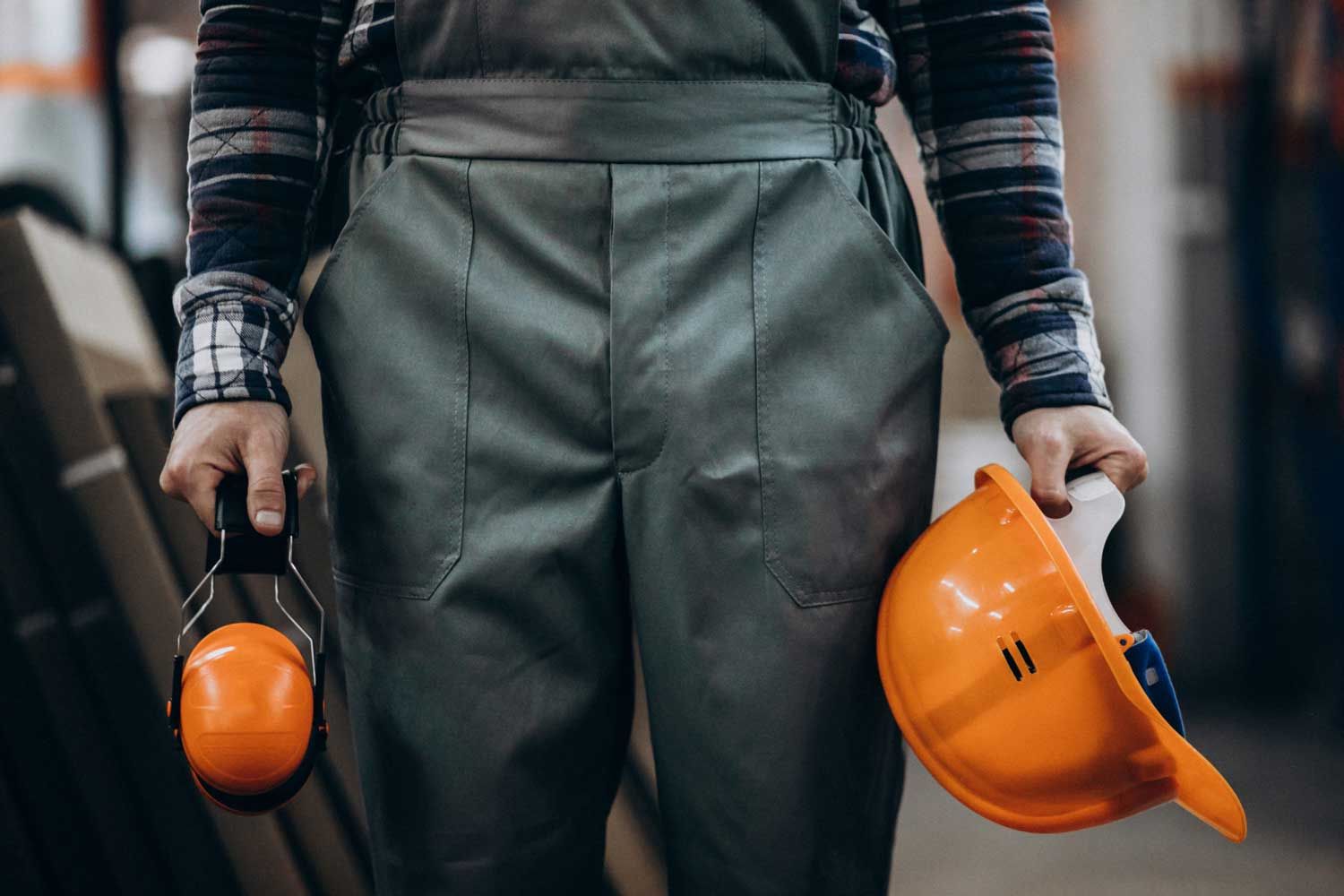
An accident at work can leave you shaken long after any physical injuries heal. Trouble sleeping, replaying what happened, feeling on edge at the job site, or avoiding certain tasks are common reactions to a frightening event. For many people they ease with time. When they do not, trauma-focused counseling can help you feel steady again.
This guide explains what trauma after a workplace accident can look like, signs that it may be time for support, and how to take a first step in Las Vegas.
What counts as a traumatic workplace accident?
In short, any event at work that left you feeling seriously frightened, helpless or in danger.
That might be a fall, a vehicle or machinery accident, a fire, a violent incident, or seeing a coworker get badly hurt. It can also be a near miss, where nobody was injured but you were sure something terrible was about to happen.
What matters is how the event affected you, not how it looks on an incident report. Two people can go through the same accident and react very differently. Neither reaction is wrong.
Common reactions after an accident at work
In short, your mind and body may stay on alert for a while, even when you know you are safe.
After a frightening event, many people notice some of the following:
- Replaying the event. Unwanted memories, flashbacks or upsetting dreams.
- Feeling on edge. Jumpiness, a racing heart, or tension around the same tools, sounds or places.
- Avoidance. Steering clear of the site, certain tasks, or conversations about what happened.
- Sleep problems. Trouble falling or staying asleep, or waking up tense.
- Mood changes. Irritability, guilt, numbness, low mood or losing interest in things you enjoy.
- Focus problems. Difficulty concentrating, which can feel worrying in a job where attention matters.
If sleep has become the hardest part, our article on trauma and insomnia explains why the two are so often linked.
When reactions may need more support
In short, when they are strong, lasting, or getting in the way of your life.
It is normal to feel unsettled for a while. It may be time to talk with a licensed clinician if:
- The reactions are not easing, or are getting worse, after several weeks.
- You are avoiding work, driving or other parts of daily life because of reminders.
- Sleep, relationships or your ability to do your job are suffering.
- You are relying more on alcohol or other substances to cope.
- You feel hopeless, numb or disconnected most of the time.
Some of these signs overlap with anxiety and with post-traumatic stress. Our guide to PTSD vs anxiety explains the differences, but you do not need to work out a label before you reach out. A clinician can help with that.
Going back to work after a traumatic accident
In short, it often helps to plan the return in steps rather than all at once.
Returning to the place where something frightening happened can bring reactions back. That does not mean you are going backwards. Some people find it helps to:
- Talk through what feels hardest about going back before the first day.
- Practice grounding skills, such as slow breathing, before entering the site.
- Let a trusted coworker or supervisor know you may need short breaks at first.
- Notice small wins, like a shift that felt a little easier than the last.
Questions about leave, claims or job accommodations are best taken to your employer, HR team or a qualified adviser. A counselor can help with the emotional side of returning, such as fear, frustration and confidence.
How therapy can help
In short, it helps your nervous system settle, so the accident takes up less space in your day.
Therapy for trauma usually starts with safety and stability. That can mean skills for managing stress responses, improving sleep and handling reminders. When you feel ready, your clinician may help you process the memory itself so it feels less overwhelming.
Different approaches balance this in different ways. For example, our site describes Forward-Facing Trauma Therapy as a present-focused approach that builds regulation skills rather than dwelling primarily on the past. You can read about more options in our overview of PTSD treatment options in Las Vegas.
What this looks like at FTTC
In short, one-on-one counseling with a licensed, trauma-informed clinician, at a pace you set.
Individual counseling at Family Trauma Treatment Center (FTTC) is confidential, in-person care in a safe, nonjudgmental space. Your first session is a conversation, not an evaluation: you talk about what happened and what you want to change, and agree on a starting point together. Sessions are usually 45 to 55 minutes and usually weekly. If you are unsure how to begin, our guide on how to start therapy in Las Vegas walks through the steps.
Talk to someone about what happened
In short, one call or message is enough to begin.
If an accident at work is still affecting your sleep, mood or confidence, you do not have to manage it alone. Call or text (702) 485-1313. Our hours are Monday to Friday, 8:00 am to 7:00 pm, Saturday 9:00 am to 3:00 pm, and Sunday by appointment only.
Request an appointment online, or learn more about individual counseling at FTTC before you decide.
This article is educational and does not replace evaluation by a licensed professional.
In crisis? Call or text 988. Emergency: call 911.
This article is general information, not medical advice or a substitute for professional care, and it does not create a therapist-client relationship. If you are in crisis call 911, or call or text 988.
Is it normal to feel shaken weeks after an accident at work?
Yes. Many people feel jumpy, tense or low for a while after a frightening event, even when their physical injuries were minor. For many, these reactions ease over the following weeks. If they stay strong, get worse, or make it hard to work, sleep or enjoy life, it may help to talk with a licensed clinician.
Can you have trauma symptoms if you were not badly hurt?
Yes. Trauma reactions are about how an event affected you, not only about the size of the injury. Seeing a coworker get hurt, a near miss, or feeling sure something terrible was about to happen can all leave a lasting impression. You do not need to compare your experience with anyone else’s to deserve support.
Why do I feel anxious going back to the same job site?
Places, sounds and smells linked to a frightening event can act as reminders that set off the body’s alarm system. That can mean a racing heart, tension or an urge to avoid the area. These reactions are common. Therapy can help you understand your triggers and build skills to feel steadier when you face them.
Do I need a diagnosis to start counseling?
No. You can reach out because something feels off, without knowing what to call it. In a first session you talk about what happened, what has been hard since, and what you would like to change. Your clinician can then help you decide on a starting point and an approach that fits.
Will I have to describe the accident in detail?
Not before you are ready. A trauma-informed clinician lets you set the pace. Many people start with skills for sleep, stress and staying grounded, and decide later whether and how to talk through the event itself. You can ask your clinician how sessions will work before you begin.