Depression Treatment Options in Las Vegas Beyond Medication
Written by Family Trauma Treatment Center
Depression treatment options in Las Vegas go beyond medication. Many people work with a licensed clinician in one-on-one counseling, and some also consider NeuroStar TMS, a non-invasive, FDA-cleared treatment that does not use medication. The right starting point depends on your symptoms, your history and what you have already tried. A clinician can help you weigh the choices without any pressure to decide on the first call.
If you are here because medication has not helped enough, or you would rather not rely on it alone, you are not doing anything wrong by asking. This guide explains the main options in plain language, how they differ, and what to expect if you reach out to Family Trauma Treatment Center (FTTC).
Why look beyond medication?
In short, there are many valid reasons, and none of them mean you have failed.
Some people have side effects they would rather not live with. Some have taken medication for a while and feel it is no longer doing enough. Others simply want something extra alongside what they already take. Our site describes TMS as an option for people who have had side effects from antidepressants, who want a non-medication option to add to their care, or who are looking for an FDA-cleared approach.
Whatever your reason, please talk with the clinician who prescribes your medication before you change or stop it. Adjusting medication on your own can be unsafe, and a good plan usually builds on what you are already doing rather than replacing it overnight.
What does depression look like?
In short, it is more than a bad week.
Our conditions we treat page describes depression as persistent sadness, low motivation or loss of interest that can develop after trauma or alongside other life stressors, including cases that have not responded well to treatment before. Many people also notice changes in sleep, energy or concentration, or feel withdrawn from the people and activities they used to enjoy.
Only a licensed professional can diagnose depression. If any of this sounds familiar, that is reason enough to talk to someone.
Option 1: Individual counseling
In short, counseling gives you a steady space to work through what you are feeling, with practical tools and a plan you help shape.
At FTTC, individual counseling means weekly one-on-one sessions with a licensed, trauma-informed clinician, built around a plan you set together: practical tools, tracked goals and your own pace. Depression is one of the concerns the service covers, along with anxiety, PTSD, grief and life transitions.
Sessions are usually 45 to 55 minutes. A first session is a conversation, not an evaluation. You talk about your history and your goals, agree on a starting point, and share only as much as you are ready to.
Counseling can be a good fit if you:
- Want to understand what is behind how you feel.
- Would like practical skills to use between sessions.
- Are dealing with depression alongside trauma, grief or a major change.
- Prefer a talk-based approach to start with.
There is no fixed timeline. Some people attend for a few months, while others build a longer relationship with their clinician.
Option 2: NeuroStar TMS
In short, TMS uses magnetic pulses, not medication, to stimulate an area of the brain involved in mood.
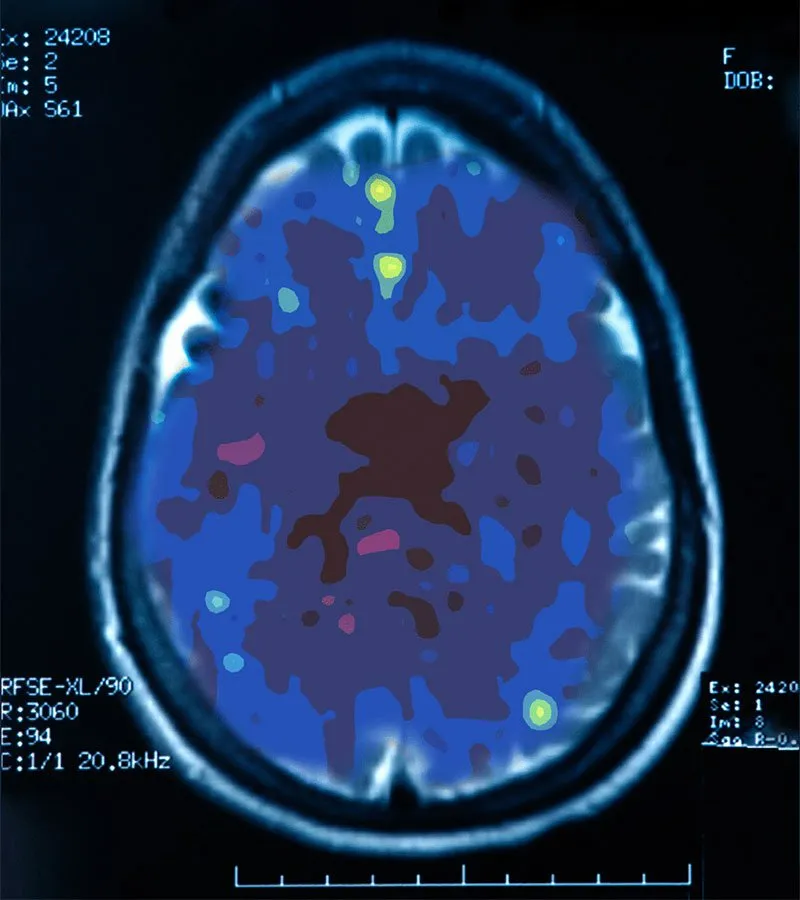
NeuroStar TMS therapy uses transcranial magnetic stimulation to target areas of the brain that are underactive in people with depression. It is not electroconvulsive therapy (ECT). During a session, a magnet similar in strength to the one used in an MRI machine is used to stimulate nerve cells in the area of the brain thought to control mood.
Here is what our site says about the experience:
- Sessions take place in the office, and you are awake throughout.
- You can return to normal activities right away.
- A typical initial course is about 19 to 37 minutes a day over four to six weeks.
- Most people tolerate it well. The most common side effects reported in clinical trials were headache and scalp discomfort, generally mild to moderate.
TMS is not a first-line treatment. It is described as an alternative for people who are not responding to medications or cannot tolerate them. A clinician will confirm whether it is appropriate for you, and the page also explains who TMS may not be right for. Results vary, and no treatment works for everyone.
Option 3: Combining approaches
In short, you do not have to choose one path and stay on it forever.
Many clients pair individual counseling with group counseling, NeuroStar TMS or Alpha-Stim as part of a fuller plan. For example, someone might begin counseling to build skills and understanding, then talk with their clinician about whether TMS could add something. Another person might start TMS and keep counseling going alongside it.
A combined plan is something you shape with your clinician. It can change as your needs change.
How the options compare
In short, the main difference is how each one works and what it asks of you.
| Individual counseling | NeuroStar TMS | |
|---|---|---|
| How it works | Talking with a licensed clinician | Magnetic pulses to stimulate a mood-related brain area |
| Medication used | No | No |
| Typical pattern | Weekly sessions of 45 to 55 minutes | About 19 to 37 minutes a day over four to six weeks (initial course) |
| Often considered when | You want skills, insight and ongoing support | Medication has not helped enough or causes side effects |
| Needs a clinician’s check first | Intake conversation | Yes, to confirm TMS is appropriate |
Questions to bring to a first conversation
In short, a few simple questions can make the first call or visit feel easier.
You do not need to prepare a script, but some people find it helps to jot down a few thoughts beforehand:
- What have I already tried, and what did or did not help?
- Which symptoms are affecting my days the most right now?
- Would I prefer a talk-based approach, a non-medication procedure, or a mix of both?
- What do I want to be different in a few months?
- What practical limits do I have, such as work hours, transport or how often I can come in?
Sharing honest answers helps a clinician suggest a starting point that fits your life. If you are unsure about something, ask. There are no wrong questions, and you can change course as you learn more.
What this looks like at FTTC
In short, you start with a conversation and go at your own pace.
FTTC is an outpatient practice at 3909 South Maryland Parkway, Suite 405, Las Vegas, NV 89119. Care is in person. You can call to ask about counseling, TMS or both, and a clinician will help you find a starting point. For TMS, you can speak with the NeuroStar Coordinator about your plan, coverage and eligibility. Our site notes that many commercial and Medicare plans cover TMS for eligible patients, so it is worth asking before you assume it is out of reach.
We are open Monday to Friday 8:00 am to 7:00 pm, Saturday 9:00 am to 3:00 pm, and Sunday by appointment only.
When to seek help right away
In short, if you are thinking about harming yourself, do not wait for an appointment.
Call or text 988 at any time, or call 911 in an emergency. Reaching out for help is a strong choice, and support is available right now.
Book a consultation
If you are weighing depression treatment options in Las Vegas beyond medication, we would be glad to talk it through. Call us at (702) 485-1313, Monday to Friday 8:00 am to 7:00 pm or Saturday 9:00 am to 3:00 pm, or request an appointment. You can also read more about NeuroStar TMS therapy in Las Vegas before you call.
This article is educational and does not replace evaluation by a licensed professional.
In crisis? Call or text 988. Emergency: call 911.
This article is general information, not medical advice or a substitute for professional care, and it does not create a therapist-client relationship. If you are in crisis call 911, or call or text 988.
Can depression be treated without medication?
Many people explore options that do not rely on medication alone, such as talk therapy or transcranial magnetic stimulation (TMS). Which approach fits depends on your history, symptoms and preferences. A clinician can talk through the options with you. Please do not stop or change any prescribed medication without speaking to the clinician who prescribes it.
Is TMS a first-line treatment for depression?
No. Our NeuroStar page describes TMS as an alternative for people who are not responding to, or cannot tolerate, medications. It is not a first-line treatment. A clinician will confirm during a consultation whether TMS is appropriate for your situation, and who it may not be right for.
How long does a course of TMS take?
Our site describes a typical initial course of NeuroStar treatment as about 19 to 37 minutes per day over four to six weeks. You are awake during sessions and can return to normal activities right away. Your clinician can explain what a schedule might look like for you once they understand your situation.
Can I combine counseling with TMS?
Yes. Our individual counseling page notes that many clients pair counseling with group counseling, NeuroStar TMS or Alpha-Stim as part of a fuller plan. Whether a combination makes sense for you is something to decide together with a clinician after they hear your goals and history.
How do I get started if I am not sure what I need?
You do not need to have it figured out. Call (702) 485-1313 or request an appointment online and tell us what you have been experiencing and what you have already tried. A clinician will help you find a sensible starting point, and you set the pace from there.